Petri Dish – Ultimate Laboratory Equipment Guide
Petri dishes are shallow, cylindrical containers, often made of glass or plastic, used to cultivate microorganisms. They are essential for microbiology, cell culture tests, antibiotic testing, and growth inhibition studies. Their applications extend into the food and pharmaceutical industries as well as research institutions.
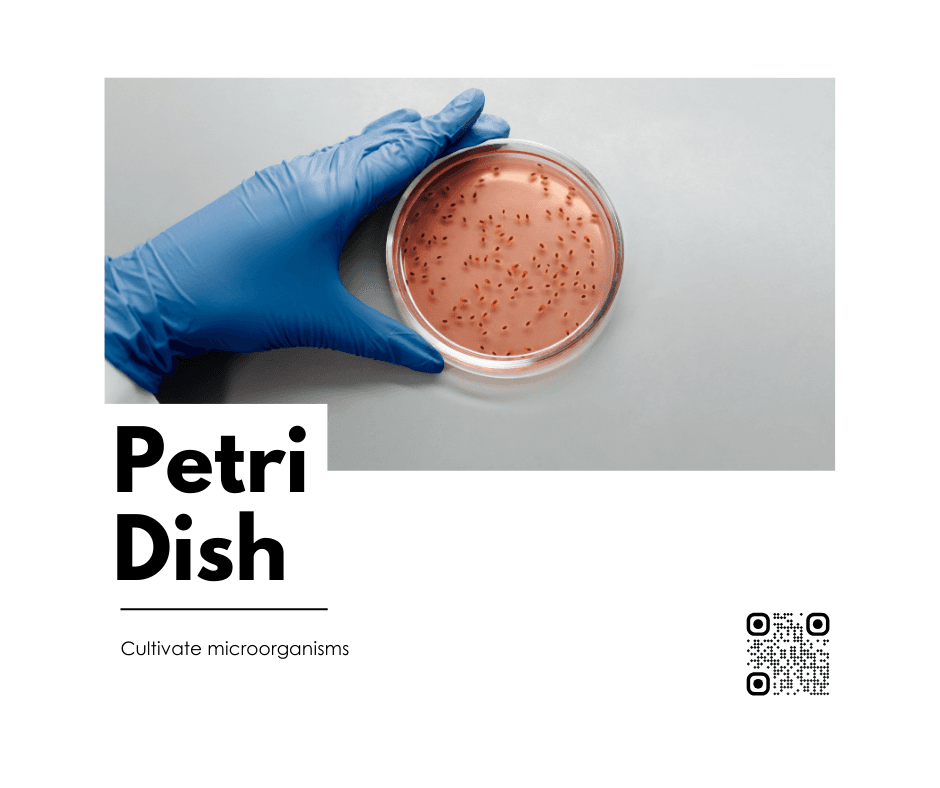
Types of Petri Dishes
- Plastic (Polystyrene): Used for standard laboratory culture. These are often sterile and disposable, making them convenient for high-throughput labs. They offer a clear view of bacterial colonies and can be treated to promote cell adhesion.
- Glass: Reusable after sterilization, ideal for eco-friendly projects or experiments requiring high-temperature exposure. Glass dishes are preferred when minimizing waste is essential and for autoclave work.
Key Selection Criteria
- Size: Standard sizes vary from 35 mm for small tests to 150 mm for large-scale cultures.
- Sterility: Dishes must be sterile—either factory-sterilized by gamma irradiation or autoclaved—depending on experimental requirements.
- Ventilation: Some dishes feature slits to improve air circulation and reduce condensation, which is critical for fungal or mold cultures.
Additional Features
- Surface Treatment: Some plastic dishes are treated to promote cell adhesion, essential for adherent cell cultures.
- Transparency: High clarity of the dish material is critical for precise observation of colonies and accurate imaging.
Practical Advice for Optimal Use
Opt for Petri dishes with raised edges if you plan to stack them, as this will ease handling and reduce contamination risks. For long-term cultures, select dishes with anti-condensation features.
Interested in a personalized quote? Request a quote
Back to Guide